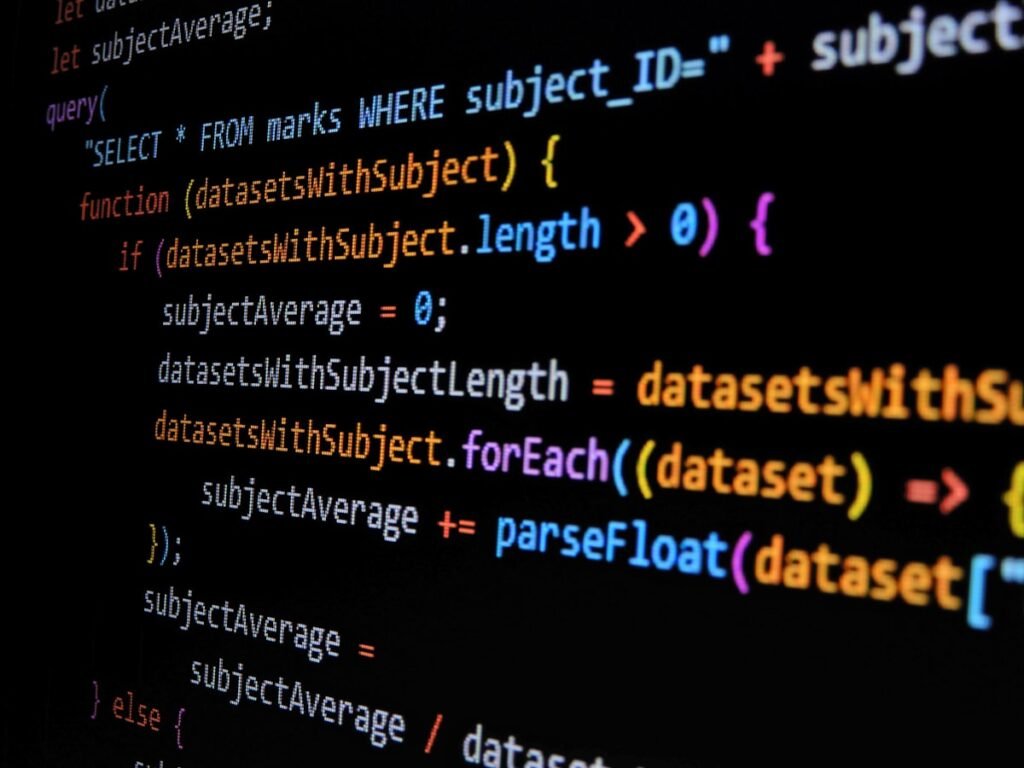
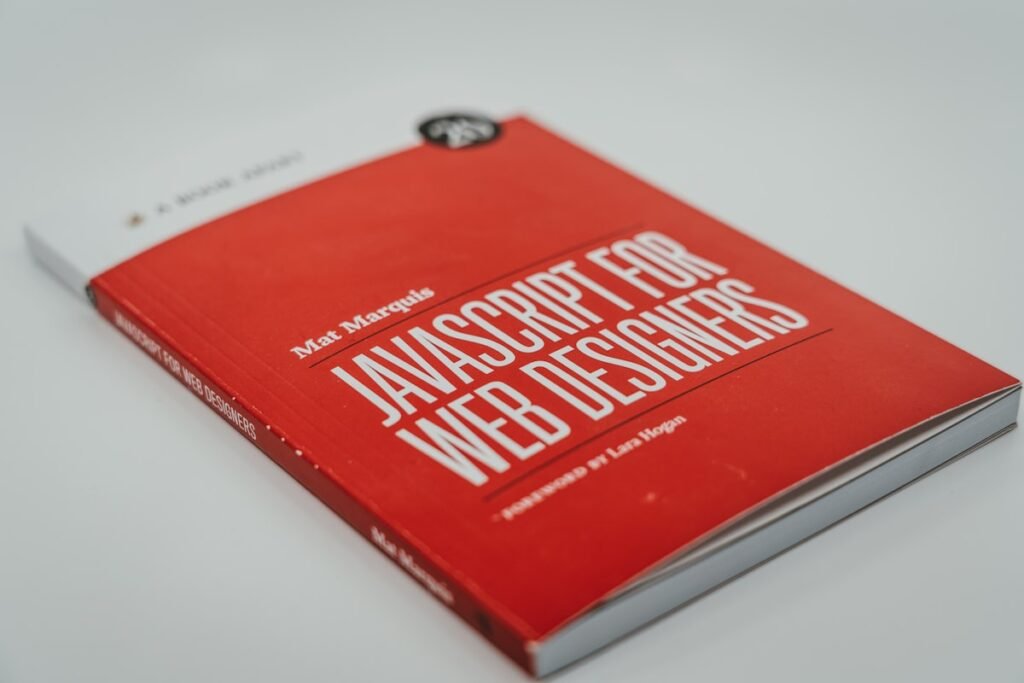
Every time a button reacts to your click, a page updates without reloading, or a dropdown menu smoothly appears,
JavaScript is running quietly behind the scenes. It is the one programming language every web browser understands natively, and it is the reason the modern web feels alive instead of static.
What Is JavaScript, Really?
JavaScript is a programming language that runs directly in your web browser, allowing websites to respond to user actions, update content dynamically, and communicate with servers without reloading the page. While HTML builds a page’s structure and CSS handles its appearance, JavaScript is what makes it interactive.

Why JavaScript Runs the Web
JavaScript is the only programming language that runs natively in every major web browser, with no plugins or extra software required. That built-in universality — combined with decades of continuous improvement — is exactly why it became the backbone of interactive websites, and eventually expanded far beyond the browser entirely.
HTML gives a webpage its bones. CSS gives it style. JavaScript gives it a pulse.
What JavaScript Can Actually Do
- Respond to user interaction — clicks, form submissions, key presses, and scrolling.
- Update the page dynamically — changing text, images, or layout without a full reload.
- Communicate with servers — fetching or sending data in the background.
- Validate and process forms before they are ever submitted.
- Power entire applications — modern tools like React and Next.js are built on JavaScript, running everything from social media feeds to online banking dashboards.
JavaScript Beyond the Browser
JavaScript no longer lives only in web browsers. With runtimes like Node.js, Bun, and Deno, the same language now powers servers, command-line tools, and even mobile apps — making it genuinely possible to build an entire application, frontend and backend, using one single language.
A Simple First Look at JavaScript
A JavaScript variable might look like
let name = "Obah";, and a simple function might read
function greet() { alert("Hello!"); }. Neither line does anything complicated — but connected to a button on a webpage, that second line is exactly how a click triggers a popup message. Every complex website is, at its core, thousands of small instructions like this working together.
Is JavaScript Hard to Learn?
JavaScript has a genuinely gentle learning curve compared to many programming languages — no separate compiler needed, and you can see results instantly in any browser. The fundamentals (variables, functions, conditionals, loops) are learnable within weeks; real fluency, especially with modern frameworks, takes sustained practice over months.
Where to Start Learning JavaScript
- Learn core fundamentals first: variables, data types, functions, and conditionals.
- Practice manipulating the DOM — changing what appears on an actual webpage.
- Learn how JavaScript handles asynchronous tasks, like fetching data from a server.
- Only after fundamentals feel solid, move on to a framework like React.
Frequently Asked Questions
Is JavaScript the same as Java?
No — despite the similar name, they are entirely different languages with different purposes, a historical naming coincidence from the 1990s.
Do I need JavaScript if I already know HTML and CSS?
Yes, for any genuinely interactive website — HTML and CSS alone cannot respond to user actions or update content dynamically.
Is JavaScript still worth learning in 2026 with AI coding tools available?
Yes — AI tools write JavaScript for you far more effectively when you understand what the generated code is actually doing.Ready to go deeper into modern JavaScript and frameworks like React?
Explore more web development guides or
get in touch to discuss a project.
Related Reading
Post Views: 160