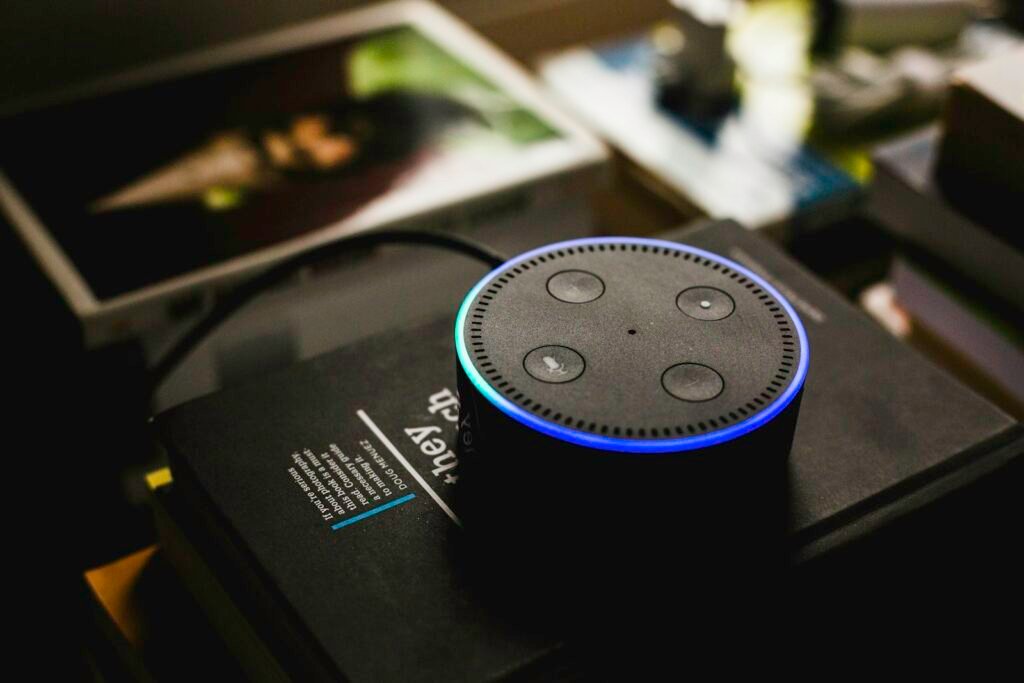
Smart speakers used to dominate every future-of-search conversation. A few years later, with AI chatbots doing most of the conversational heavy lifting, it is fair to ask: does voice search optimization still matter in 2026, or did the industry move on to a different kind of talking to search altogether?
What Voice Search Actually Looks Like Now
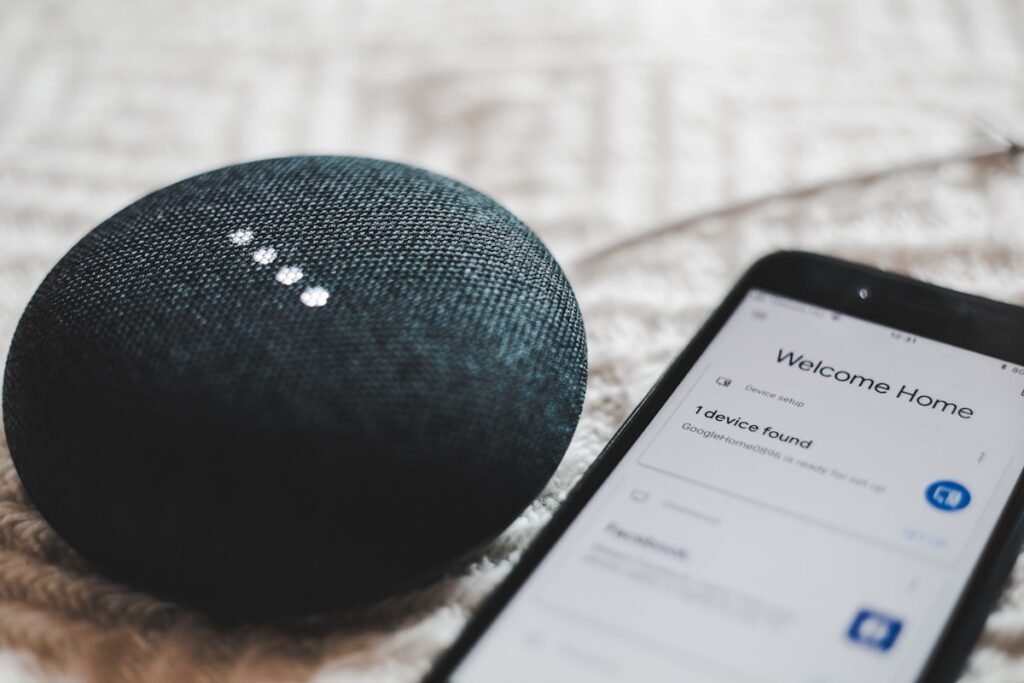
The picture has shifted. Fewer people are asking smart speakers simple factual questions the way they did in 2019 — that behavior has largely migrated to AI chatbots and voice modes inside apps like ChatGPT and Google’s Gemini. But voice search hasn’t disappeared; it’s fragmented across smart speakers, in-car assistants, and voice input on phones, and it increasingly overlaps with how people phrase questions to AI assistants in general.
Why Voice Queries Still Matter for Content Strategy
Even if fewer people are using a smart speaker specifically, the underlying pattern — asking a full, natural-language question instead of typing a fragmented keyword — has become the norm across search, AI chatbots, and voice input combined. Optimizing for voice was never really about the device; it was about writing content that answers conversational questions directly, and that skill is now more valuable than ever, not less.
The device changed, but the underlying behavior didn’t disappear — it spread. People still ask full questions out loud; they just increasingly do it through a chat interface instead of a speaker on the kitchen counter.
READ ALSO:
Zero-Click Searches: Why Fewer People Are Clicking, and What to Do About It
What Still Works for Voice-Style Queries
- Write headings as full questions, such as “How much does X cost in Nigeria?” rather than just “Pricing”
- Answer the question directly in the first sentence after the heading, before adding detail
- Target long-tail, conversational phrases rather than short fragment keywords
- Keep local business information (hours, address, services) accurate and structured, since local voice queries remain common
- Use FAQ sections, which map naturally onto how voice and AI queries are phrased
Where Voice Search Overlaps With AI Search
The real shift isn’t that voice search died — it’s that voice and AI search optimization have converged into largely the same discipline. Content written to directly and clearly answer a spoken-style question is exactly the content that AI Overviews, ChatGPT, and Perplexity favor when generating answers. Optimizing for one now means optimizing for the other.
Frequently Asked Questions
Is voice search still worth optimizing for in 2026?
Yes, though less as a standalone tactic and more as part of a broader conversational-query strategy that also covers AI chatbots and AI Overviews.
Do I need special schema markup for voice search?
FAQ and Speakable schema can help, but the biggest factor remains writing genuinely direct, conversational answers — markup supports good content, it doesn’t replace it.
Has smart speaker usage actually declined?
Usage patterns have shifted rather than disappeared, with much of the simple-question behavior moving toward AI chat interfaces, while smart speakers remain common for tasks like music, timers, and smart home control.
Want to go deeper into how search is changing? Explore more SEO guides.