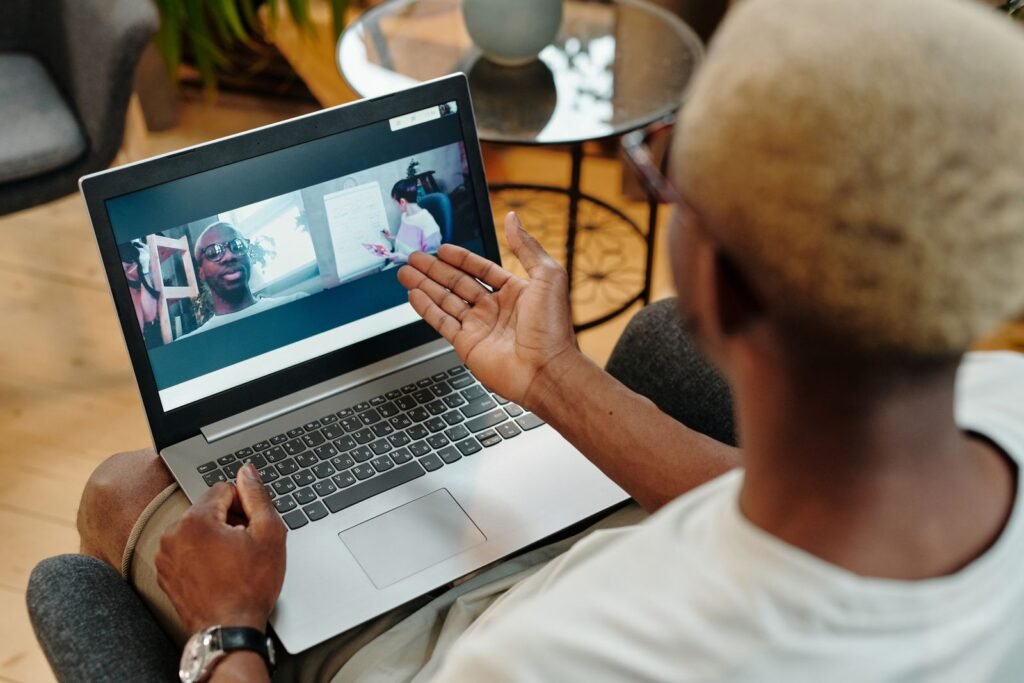
SEO is one of the few professions where a Nigeria-based specialist and a New York-based specialist can deliver genuinely identical output to a US client — the work is data, strategy, and content, not a physical presence. But “can deliver the same work” and “gets treated the same way by the client” are two different problems, and the gap between them is almost entirely about how you manage the parts of the relationship that have nothing to do with SEO skill: time zones, communication cadence, and the small trust signals that reassure a client they picked the right person.
Why US Clients Increasingly Hire Remote SEO Talent Anyway
Remote SEO hiring has grown for reasons that have nothing to do with cost alone: global reach lets US businesses access specialists they simply couldn’t find locally, cloud-based SEO tools make collaboration and reporting borderless by default, and SEO work itself — built on deadlines, dashboards, and asynchronous deliverables — rarely requires physical presence in the first place. That structural fit is why remote SEO roles have kept expanding even as some other remote categories have pulled back toward in-office work.
READ ALSO:
Solving the Time Zone Problem Before It Becomes a Trust Problem
A Lagos-to-Los-Angeles gap can run eight hours or more, and if left unmanaged, it reads to a US client as unavailability rather than a scheduling reality. The fix isn’t working nights — it’s structure: agree on a recurring overlap window for live calls (even 30 minutes), default to async updates via email or Slack for everything else, and set explicit response-time expectations up front so silence during your night doesn’t get misread as a dropped ball. Confirming a client’s available hours as clearly as you state your own turns a potential friction point into a non-issue in the first conversation.
Communication Habits That Read as Professional, Not Just Available
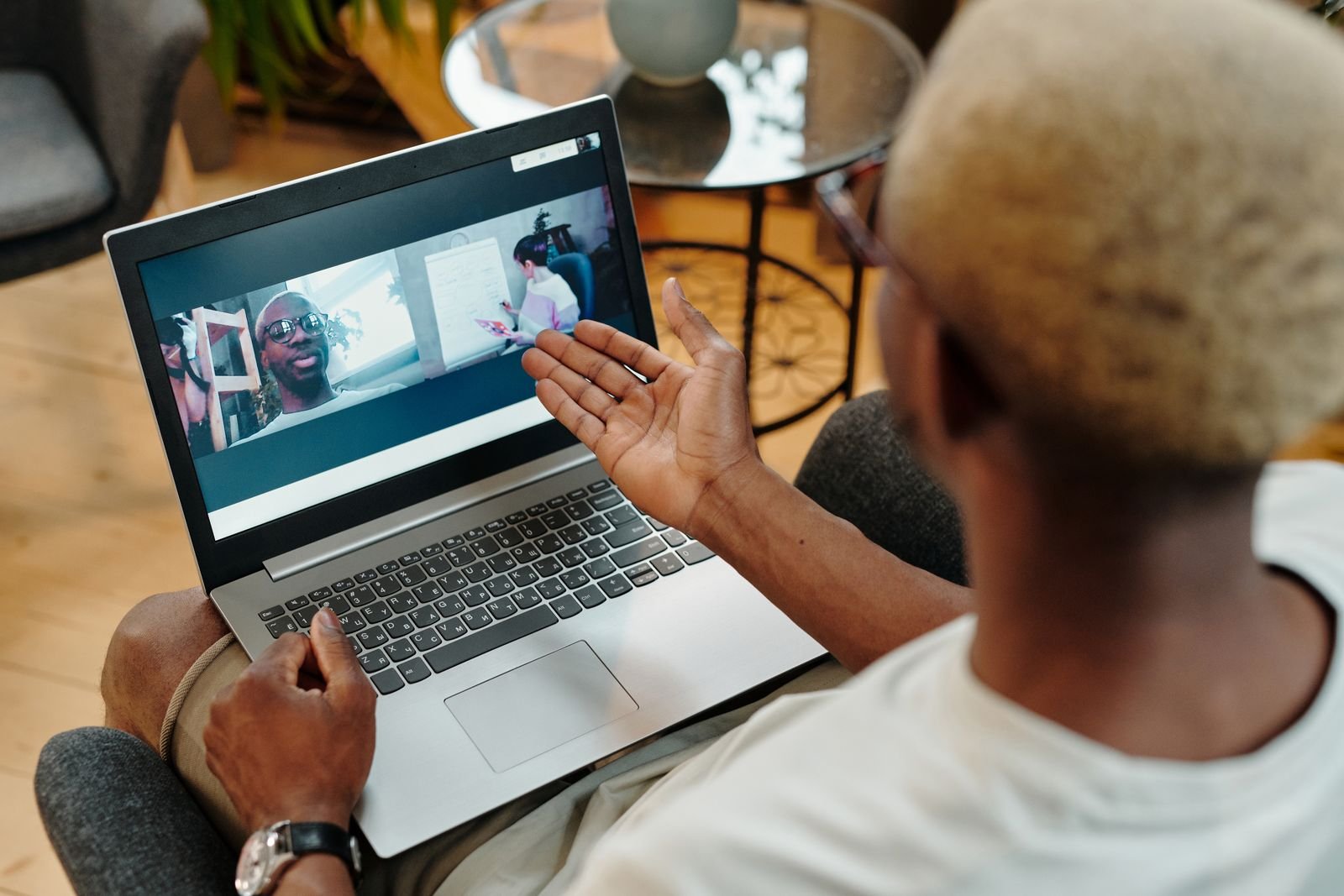
Short, scheduled check-ins outperform long, unscheduled ones. A tight 15-minute call that hits three points beats an hour-long call that wanders, and it’s far less disruptive to a client’s day — something worth remembering when every call you request is, by definition, happening outside your own working hours too. Keep a standing weekly or biweekly written update going even when there’s nothing dramatic to report; the cadence itself is the trust signal, not just the content inside it.
Tooling That Makes Remote Feel Local
Shared dashboards (Google Search Console, GA4, Looker Studio) let a US client check in on their own schedule without waiting for your night to become their morning. Cloud-based project trackers (Asana, Trello, ClickUp) create visible proof of work between calls, which matters more for remote providers than local ones since the client can’t casually observe you working. None of this replaces good SEO work, but it removes the ambiguity that makes distance feel risky to a client who’s never met you in person.
Freelancers now make up more than a third of the global workforce, and the internet has created more ways than ever to manage time-zone-crossing client relationships well — the freelancers who struggle with international clients are rarely the ones without the skill; they’re the ones without the system.
A Practical Remote-Client Operating Rhythm
- Agree on one recurring overlap window for live calls, even if it’s short — consistency matters more than length
- Default to async written updates for anything that doesn’t need real-time discussion
- Set and honor an explicit response-time window (e.g. “within 24 hours, Monday–Friday your time”)
- Give the client read-only dashboard access so they’re never waiting on you just to see progress
- Send a short written update on a fixed schedule, even in weeks with nothing major to report
Frequently Asked Questions
How much time zone overlap do I actually need with a US client?
Even 30 minutes to an hour of reliable weekly overlap is usually enough for live discussion, provided the rest of the communication happens smoothly through async written updates and shared dashboards.
Do US clients actually mind working with a remote SEO provider outside the US?
Rarely, once the logistics are handled well. Most concerns aren’t really about location — they’re about responsiveness and visibility into progress, both of which are solvable with the right communication habits.
What’s the biggest mistake remote SEO providers make with US clients?
Going quiet between calls. Silence during a time zone gap easily gets misread as inactivity, even when real work is happening — a short scheduled update, even a brief one, prevents that misread almost entirely.
Want more strategy breakdowns like this? Explore more SEO Fundamentals guides.