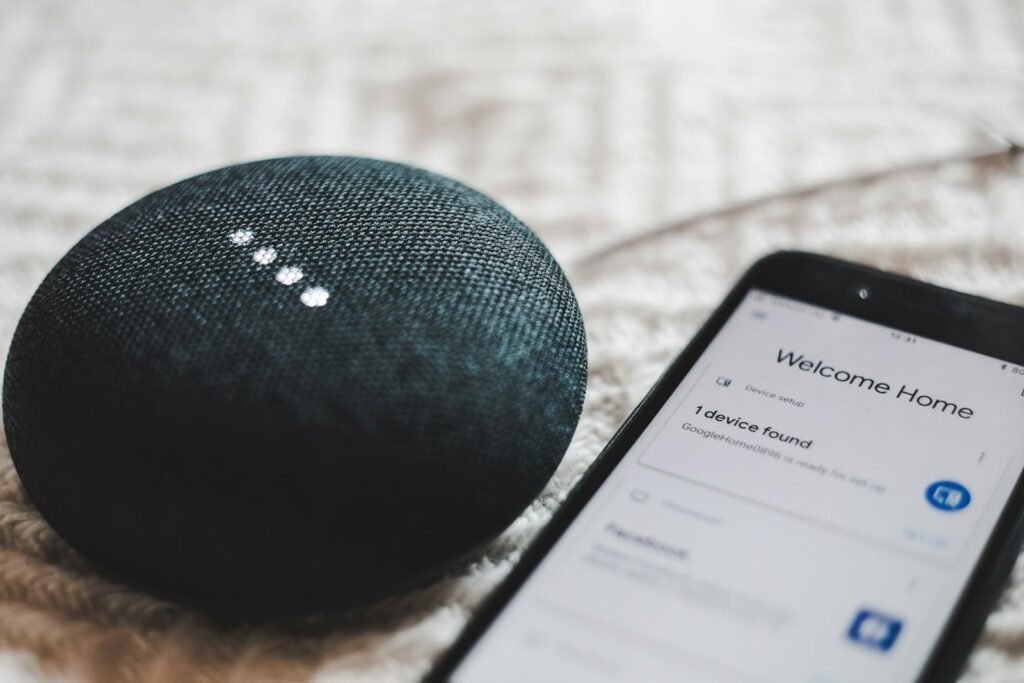
“Coffee shop near me, open now” spoken into a phone produces a very different search than the typed version of the same query, and most local businesses still optimize only for the typed one. Voice search fell out of the SEO conversation as a buzzword around 2019, but the underlying usage never went away — roughly a quarter to a third of all “near me” style local searches in 2026 now happen by voice, and that share keeps climbing as always-listening earbuds and in-car assistants become the default rather than the novelty.
Why Voice Search Still Matters for Local Businesses
The local intent skew is the key fact for any local business owner. A large majority of voice searches carry local intent — people asking for nearby options, hours, directions, or a quick comparison — compared to a much smaller share of typed searches. Voice queries also convert unusually fast: a large share of local voice searches result in a same-day visit or call, because someone asking their phone “plumber near me” out loud is almost always trying to solve a problem right now, not researching for later.
How Voice Queries Differ From Typed Search
Voice search is conversational by nature. Instead of typing “best pizza Abuja,” a voice query is closer to “what’s a good pizza place near me that’s open right now.” That shift toward full questions and natural phrasing means content built around short, fragment-style keywords misses a growing share of the way people actually search. Voice queries also skew toward direct questions — who, what, where, when, how — which rewards content structured to answer a specific question clearly and immediately, rather than content that makes the reader work to find the answer.
READ ALSO:
The Local SEO Foundations Voice Assistants Rely On
Voice assistants don’t generate answers from nothing; they pull from the same underlying local data that powers typed local search, just compressed into a single spoken response. That makes the fundamentals more important, not less:
- A complete, accurate Google Business Profile with current hours, categories, and a phone number — businesses with complete profiles are considerably more likely to surface in location-based voice queries
- Consistent name, address, and phone (NAP) data across the website, directories, and review platforms, since conflicting data makes an assistant less confident about which answer to read aloud
- LocalBusiness schema markup so assistants and search engines can parse hours, location, and service area unambiguously rather than guessing from unstructured text
Structuring Content to Win Voice Answers
Voice assistants overwhelmingly pull answers from featured snippets and short, direct answer blocks rather than long unstructured paragraphs. The most reliable way to earn that placement is to open each important question with a clear 25–35 word answer, written the way someone would actually say it out loud, and then expand with supporting detail afterward for readers who want more. An FAQ section addressing the exact questions customers ask by phone — “do you offer same-day service,” “how much does X cost,” “are you open on Sundays” — tends to perform well precisely because it mirrors how voice queries are phrased.
Where Voice Search Actually Happens
Smartphones remain the dominant device for voice search by a wide margin, ahead of in-car systems, smart speakers, and smart TVs combined. That makes mobile page speed and mobile-friendly design a voice SEO factor as much as a general SEO one: a slow mobile page is a page an assistant is less likely to successfully read from and less likely to recommend. In-car voice assistants are also a fast-growing local search entry point, particularly for “open now” and directions-style queries from drivers already close to a business.
Frequently Asked Questions
Is voice search still relevant in 2026, or did it fade out?
It’s still very relevant for local intent specifically. Adoption plateaued a few years ago for general search, but “near me” and local voice queries have kept growing steadily as smart speakers, earbuds, and car assistants became more common.
Do I need special schema markup for voice search?
LocalBusiness schema isn’t voice-search-exclusive, but it’s one of the clearest ways to give assistants unambiguous data about hours, location, and services, which makes it more likely your business gets read aloud as the answer.
What’s the fastest way to start optimizing for voice search?
Start with a complete, accurate Google Business Profile and an FAQ page answering the exact questions customers already call and ask — those two changes address most of what voice assistants rely on for local answers.
Want more local SEO strategies for the US market? Explore more SEO Fundamentals articles.