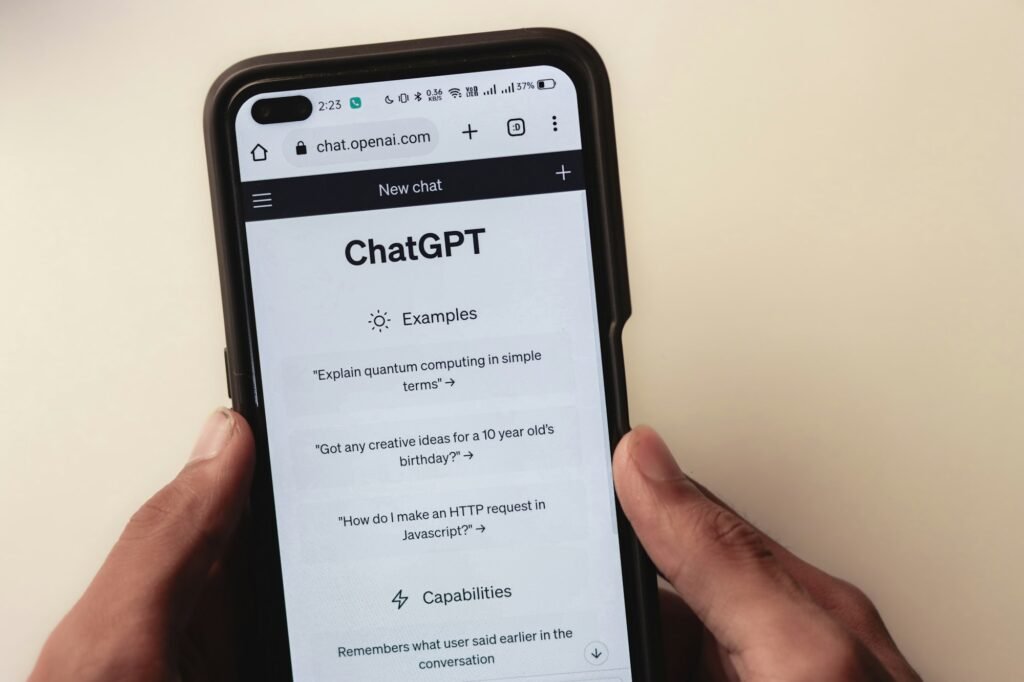
Map pack winners go invisible in AI search because ChatGPT and Google’s map pack pull from two different data sources that only agree on who’s “best” about 45% of the time. Winning the map pack runs almost entirely on Google Business Profile strength and proximity. Getting recommended by ChatGPT runs on a wider, messier mix of signals — Foursquare listings, review language, schema markup, and cross-platform consistency — that a perfect GBP alone doesn’t cover.
The Gap, in One Number
SOCi’s 2026 Local Visibility Index analyzed nearly 350,000 business locations across 2,751 brands on 120 performance metrics. It found ChatGPT recommended just 1.2% of those locations, while 35.9% appeared in Google’s local 3-pack for the same categories. That gap alone is striking. What’s more useful operationally is the overlap: only about 45% of businesses that win the traditional map pack also show up in AI recommendations. More than half of Google’s map pack winners are, per this data, invisible the moment the same customer asks an AI assistant instead.
We’ve already covered what the data shows about ChatGPT as a discovery tool in general. This piece is narrower: specifically why a business that’s already winning the map pack can still be the one left out.
Why the Two Systems Disagree
The map pack was built around one clear discovery flow: a user searches, Google returns three listings ranked mostly by proximity, review count, and category relevance, and the user picks based on what’s visible in the listing itself. AI recommendation engines are solving a different problem — they’re not ranking a page of options for a human to browse, they’re picking one to three names to say out loud with confidence, and “confidence” for a language model means something closer to entity consistency and third-party corroboration than it does map-pack ranking.
A dental clinic with fifty Google reviews and a strong map-pack position can be entirely absent from ChatGPT’s answers if its business details are inconsistent across directories, its website lacks structured data that lets an AI model confidently attribute facts to it, or third-party sites have described the practice in conflicting ways over the years. None of those issues touch classical local ranking. All of them are exactly what determines whether a model decides a business is safe to cite.
Three Specific Gaps That Explain Most of the Invisibility
- Foursquare, not just Google Business Profile. For map-based local results, ChatGPT pulls core business data directly from Foursquare rather than Google Maps. A business with a flawless GBP and a stale or missing Foursquare listing can be functionally invisible to ChatGPT even while dominating the map pack.
- Review language specificity, not just review count. A map pack cares about star rating and review volume. AI recommendation systems appear to weight what reviews actually say — specific, descriptive language about the service — more heavily than the raw number, since specific language is easier for a model to extract and cite confidently.
- Cross-platform data consistency. Reporting on this gap consistently points to businesses with proper schema markup appearing three to five times more often in AI results than those without it — structured data is doing double duty here, helping both search engines and AI models resolve exactly what a business is and where it operates.
Why This Is Worth Fixing Now, Not Later
Consumer use of AI to find local businesses jumped from 6% to 45% in a single year. Separately, AI Overviews now appear for roughly 68% of local searches, compared to 39% of the same queries surfacing a traditional local pack. Businesses treating their Google Business Profile as the finish line are optimizing for a shrinking share of how local decisions actually get made — the map pack still matters, but it’s no longer the whole game.
Closing the Gap Without Abandoning the Map Pack
- Keep the Google Business Profile fundamentals in place — they still drive the map pack, and AI models still reference GBP data as one input among several.
- Claim and complete a Foursquare listing specifically, given its outsized role in what ChatGPT actually reads.
- Add LocalBusiness schema markup to the website itself, not just the profile platforms — this is the single most citable fix available and one most local businesses still haven’t made.
- Ask ChatGPT, Gemini, and Perplexity directly for a recommendation in your category and city to see who currently gets named — there’s no dashboard alert for AI invisibility, so this has to be checked manually.
These fixes sit alongside the wider shift covered in why ranking in the map pack in 2026 no longer guarantees the customer and our breakdown of what AI Overviews mean for local search specifically.
The Bottom Line
Winning the map pack and being recommended by AI used to be the same achievement. They’re now two separate systems that happen to overlap less than half the time. A business that’s optimized for one and ignored the other isn’t behind — it’s just been solving half the problem without knowing a second one existed.