27.2% of US search traffic is now zero-click, up from 24.4% in 2024, and industry tracking shows click-through rates on local, non-AI-Overview results running around 15% versus roughly 8% once an AI Overview appears — nearly half the clicks gone on the same query. That gap is the single fact every US local business needs to internalize in 2026: AI Overviews aren’t a future risk to plan for, they’re a present reality already reshaping how many customers reach a business’s actual website.
The numbers are real, but they vary by source — and that matters
Independent trackers report meaningfully different AI Overview appearance rates in 2026 — some put it around 15% of queries, others as high as 48% to 60%, and one report cites over 80% including all AI-generated search surfaces combined. These aren’t contradictions so much as different measurement methods and different query sets; some track all Google queries globally, others track specific commercial or local-intent categories. What’s consistent across every serious source is the direction and the local-specific detail: local queries trigger AI Overviews less often than purely informational queries, but the rate is climbing every quarter, and AI Overviews increasingly appear above the Map Pack itself — a structural change in how local results even get seen.
What this actually changes for a local business
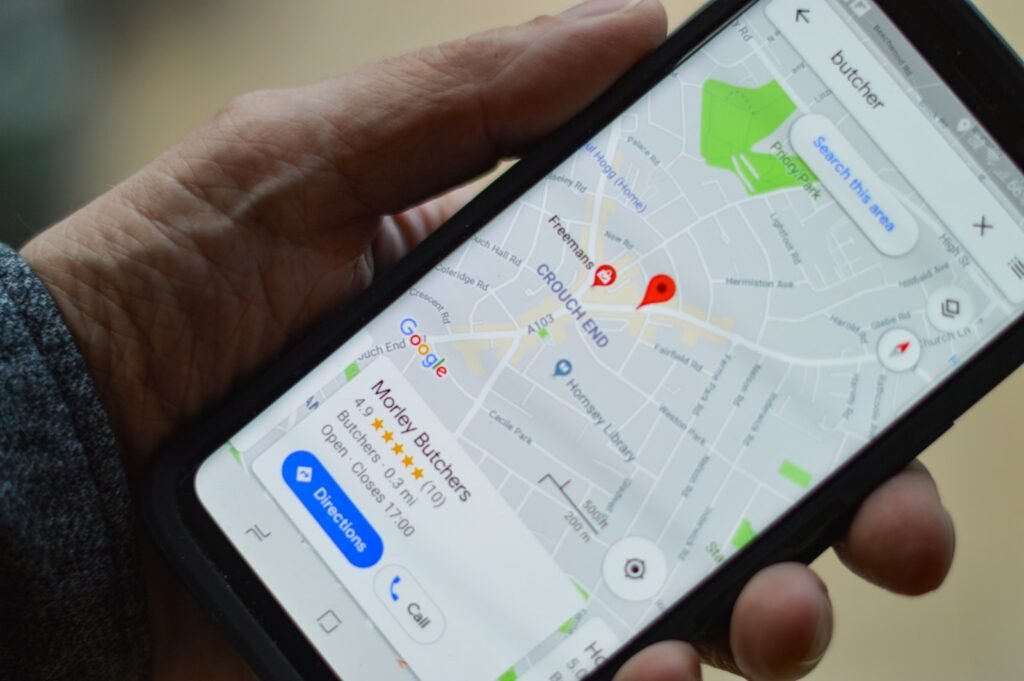
The practical shift isn’t “less traffic” in the abstract — it’s a different path to the customer. When an AI Overview cites a Google Business Profile directly, a customer can get the business’s hours, address, and even a call or directions button without ever visiting the website or scrolling to the Map Pack. Google’s own 2026 data shows Business Profile actions — calls, direction requests, website clicks, bookings — grew 41% year-over-year, which tells a more complete story than website traffic alone: customers are still finding and choosing local businesses, the conversion event has just moved off the business’s own analytics dashboard.
Being cited matters more than ranking does
One of the more consistent 2026 findings across sources is this: brands cited inside an AI Overview earn roughly 120% more organic clicks per impression than uncited brands on the same query. Being the source an AI Overview quotes and links back to now carries more commercial weight than a page-one ranking that never gets cited at all. For local businesses, AI Overviews responding to local-intent queries typically draw from Google Business Profile data and locally specific content — not generic pages — which changes where the SEO effort should go.
What actually earns a citation
- A complete, accurate Google Business Profile. Hours, categories, attributes, and photos kept current are a direct input to what AI Overviews cite for local queries.
- Review velocity and consistency. Fresh, genuine reviews feed both traditional ranking and AI citation signals.
- NAP consistency across the web. Mismatched name, address, or phone data across directories weakens the trust signal AI systems need to cite a source confidently.
- Original, first-hand content. Reporting consistently shows Google’s AI systems favor genuine expertise and specific, verifiable detail over thin or generic content — and skip the latter when selecting citations.
Measure differently, not less
Website session counts alone now understate how many customers a local business’s search presence is actually reaching. The more complete 2026 measurement approach adds: Google Business Profile impressions and direct actions (calls, direction requests, bookings), branded search volume growth in Search Console as a proxy for AI-driven brand exposure, and — where budget allows — a dedicated AI citation tracking tool to see whether and how often a business is actually being cited inside AI Overviews for its core local queries.
The takeaway
AI Overviews in local search aren’t a distant trend for US businesses to prepare for eventually — the zero-click rate, the CTR gap, and the Business Profile action growth are all already-documented 2026 numbers. The businesses adapting successfully aren’t the ones panicking about lost website traffic; they’re the ones treating their Google Business Profile as a primary content surface in its own right, and measuring success by whether they’re the source getting cited, not just the link that used to get clicked.