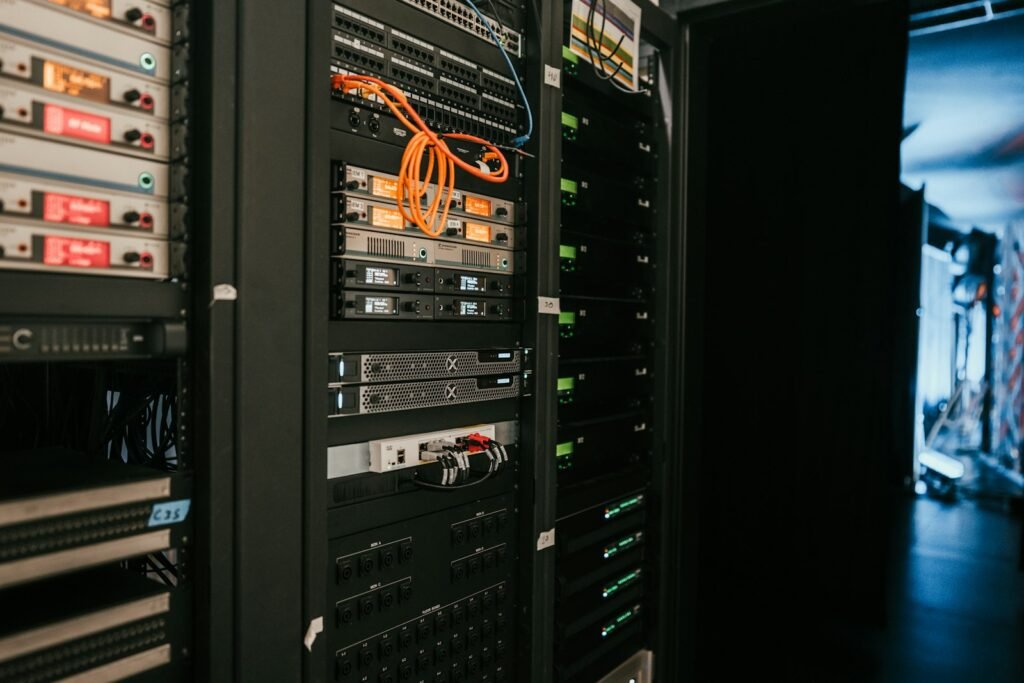
Alphabet has raised its 2026 capital expenditure forecast to $205 billion, up from $190 billion, as Google’s parent company races to keep pace with global demand for AI computing capacity.
Key Numbers
- 2026 capex forecast raised from $190 billion to $205 billion
- Roughly $45 billion spent in the latest quarter alone, the bulk of it on AI
- CFO Anat Ashkenazi cites accelerating demand for AI computing capacity as the driver
- Alphabet expects capital expenditure to climb further in 2027
- Google shipped new low-cost Flash AI models the same week, responding to pressure from Chinese AI developers
- Amazon, Microsoft, Meta, and Alphabet combined are on track to spend roughly $700 billion on AI infrastructure this year
Why the Forecast Jumped
On an analyst call, CFO Anat Ashkenazi said the increase comes down to Alphabet moving faster to bring new capacity online, not a change in strategy — demand for AI computing is simply outpacing what the company projected earlier in the year. She also flagged that 2027 capital spending will rise further, though Alphabet hasn’t detailed by how much yet.
The market’s reaction was mixed: Alphabet shares slipped more than 4% in after-hours trading following the announcement, a reminder that investors are still weighing AI infrastructure spending against near-term returns, even at a company posting double-digit revenue growth.
A Four-Way Spending Race
Alphabet isn’t spending alone. In June, the company said it would raise up to $80 billion to help fund its AI buildout, with Warren Buffett’s Berkshire Hathaway putting in $10 billion of that. Zoom out further and the scale gets bigger: Amazon, Microsoft, Alphabet, and Meta together are projected to spend around $700 billion this year on AI data centers, chips, and cloud infrastructure. Capital intensity, not just model quality, is now a core competitive front in the AI race.
Google’s Answer on Price: New Flash Models
The same week as the capex news, Google released three new Flash AI models, positioned as faster, cheaper, and more reliable than their predecessors. The timing isn’t a coincidence — Chinese AI labs, particularly DeepSeek and Moonshot, have been shipping competitive models at aggressive price points, and Google’s Flash line is a direct response on the cost side of that competition.
The competitive pressure has a sharper edge, too. This week, White House technology official Michael Kratsios accused Moonshot of building its Kimi K3 model by distilling outputs from Anthropic’s Fable model — training a smaller model to mimic a larger one’s outputs rather than training from scratch. If accurate, it’s the kind of claim that keeps intellectual property protection for frontier AI models an open and unresolved question industry-wide.
Why This Matters
For anyone building on top of Google’s AI stack — Search, Gemini, Vertex AI, or the ad products layered on top — the spending trajectory is the more reliable signal than any single quarter’s revenue number. Alphabet is committing to years of infrastructure buildout, which points to continued, not slowing, investment in the AI features already reshaping how Search results and ad placements work. Falling model prices from the new Flash line are also worth watching if you’re evaluating AI tooling costs for your own workflows — competitive pressure from Chinese labs is pushing prices down across the board, not just at Google.