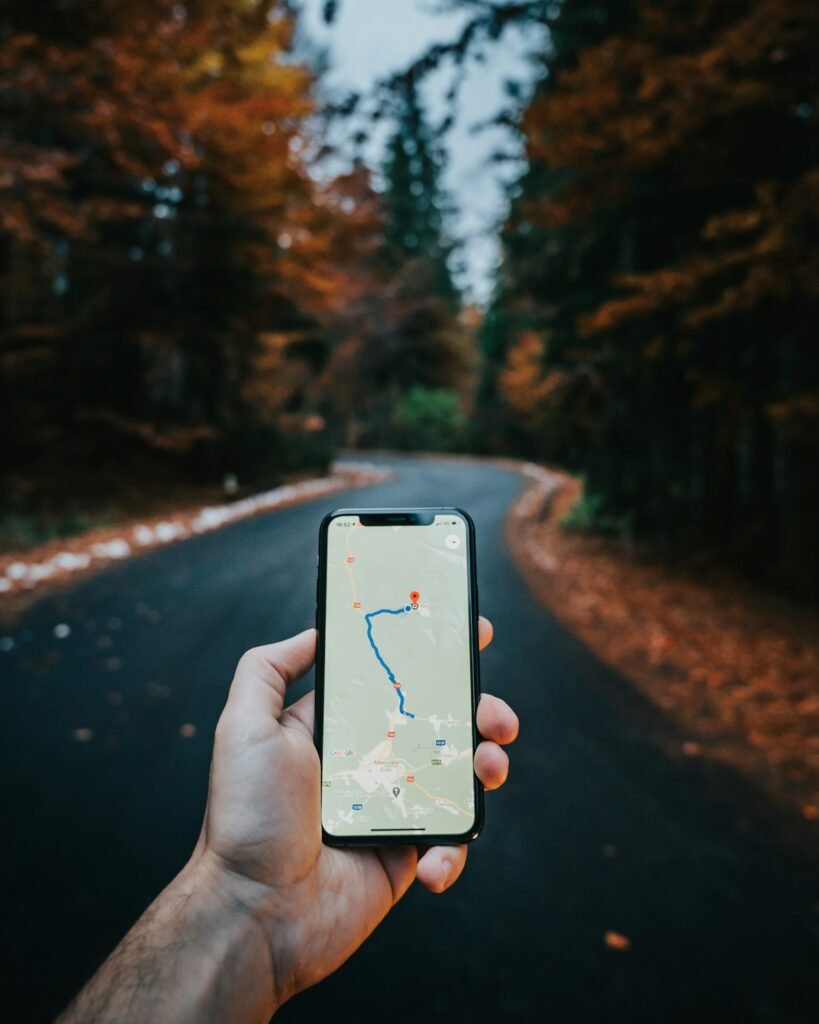
On April 14, 2026, Apple unified Business Connect, Business Manager, and Business Essentials into a single Apple Business platform, rolling out across more than 200 countries — and a few months later, Apple Maps Ads launched in the US and Canada alongside iOS 26.5. Those two dated events matter because of what sits underneath them: Apple Maps already holds roughly a quarter of US mobile navigation share and reaches over a billion active iPhones, yet 58% of US businesses still haven’t claimed their Apple Business Connect listing, and only 16% actively manage it. Bing Places tells a similar story at smaller scale — a real, standing audience that most businesses simply never bother to claim. Together, these are the citations everyone forgets.
Why Apple Maps is a bigger gap than it looks
A quarter of US mobile navigation share is not a rounding error — it’s a meaningful slice of a business’s potential local audience that a Google-only strategy simply never reaches. Every iPhone user who asks Siri “where’s the nearest pharmacy” is querying Apple Maps data, not Google’s. If a business hasn’t claimed its Apple Business Connect listing, Siri can’t recommend it by name, CarPlay navigation won’t route customers to a verified address, and the business is invisible to the entire Apple ecosystem regardless of how well it ranks on Google.
READ ALSO:
Multi-Location SEO: A Playbook for US Businesses With Several Branches
Apple Maps ranks differently than Google — and that changes the work
Apple’s ranking logic isn’t a copy of Google’s. Category precision is the single most important signal on Apple Maps — Apple matches search queries against business categories before almost anything else, and it’s even stricter about exact-category matching than Google is; a business listed as the specific category (“Thai Restaurant” rather than generic “Restaurant”) will outrank one that isn’t. Apple also weights data accuracy and listing completeness more heavily than engagement signals like review volume, and it doesn’t own its own review ecosystem the way Google does — Apple pulls reviews from Yelp and other platforms, meaning reputation management has to happen upstream, not on Apple Maps itself. Content publishing works differently too: Google’s GBP Posts have an Apple equivalent called Showcases, with its own formatting rules.
What’s changing with Apple Maps Ads
With Apple Maps Ads live in the US and Canada as of summer 2026, paid visibility can now push unclaimed or poorly maintained listings further down, in a new “Suggested Places” experience as well as standard search results. Only businesses with an existing, physical-location listing on Apple Maps can even access the ad product — meaning a business that hasn’t claimed its listing yet isn’t just missing free visibility, it’s now locked out of the paid option too, while competitors who claimed early get first access to the auction.
Bing Places: smaller reach, same neglect problem
Bing holds a meaningfully smaller share of search than Google, but it still attracts a real, distinct user base, and Bing Places for Business remains a free listing most businesses simply skip. The reasoning that applies to Apple Maps applies here too: an unclaimed Bing Places listing means Bing search results and Microsoft’s ecosystem (including Copilot’s local answers) are working from unverified, possibly outdated third-party data instead of information the business controls directly.
A practical claiming checklist
- Claim Apple Business Connect through the unified Apple Business platform, using the exact NAP data already live on Google Business Profile.
- Select the most specific category available — not the closest generic one — since this is Apple’s single strongest ranking signal.
- Add complete photos and hours, since Apple weighs listing completeness and data accuracy heavily in place of the review-volume signal Google relies on.
- Claim Bing Places for Business separately, again matching NAP data exactly.
- Recheck both listings quarterly — unverified third-party edits can drift a listing’s accuracy over time on any platform a business isn’t actively watching.
The takeaway
Apple’s April 2026 platform unification and the summer 2026 launch of Apple Maps Ads both point at the same underlying fact: a quarter of the US mobile audience is being managed by most businesses through a listing they never claimed. Bing Places is a smaller version of the same story. Neither takes more than an hour to set up properly, and both close a real visibility gap that a Google-only local SEO strategy leaves wide open.