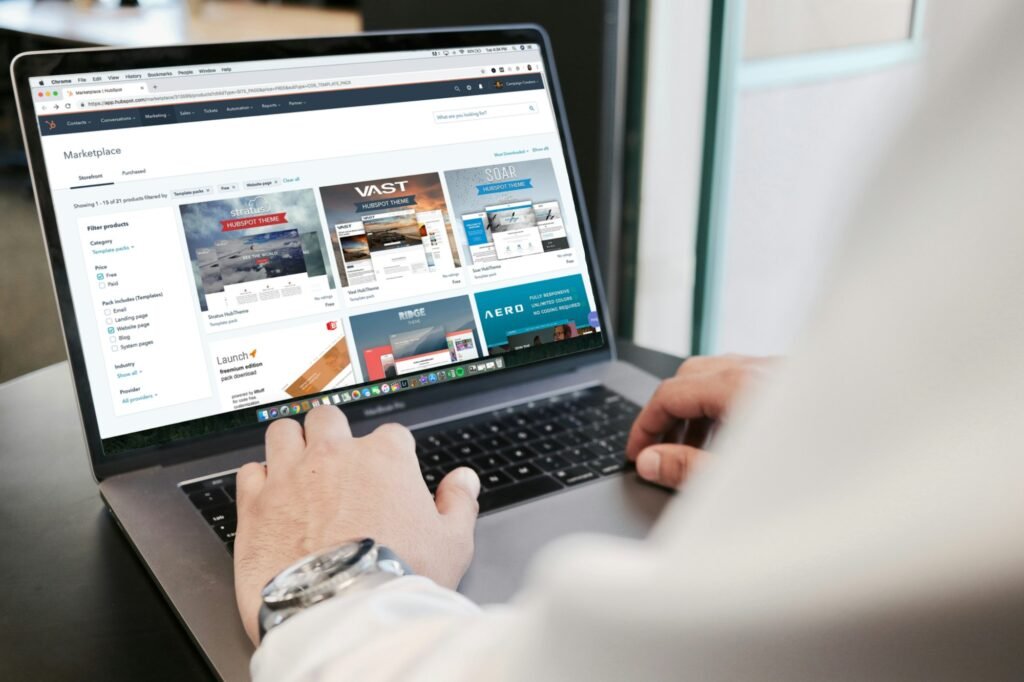
How Much Does a Landing Page Cost?
A single landing page typically costs ₦80,000 to ₦350,000 in Nigeria, or $300 to $1,500+ internationally, depending on whether it’s […]
A single landing page typically costs ₦80,000 to ₦350,000 in Nigeria, or $300 to $1,500+ internationally, depending on whether it’s […]

WordPress is the better choice for most Nigerian small businesses because it accepts Naira payments natively through Paystack and Flutterwave,
An e-commerce website in Nigeria typically costs ₦400,000 to ₦1,200,000 for a WooCommerce or Shopify-based store, and ₦2,000,000 to ₦8,000,000+

Once basic caching is in place, the biggest remaining wins are server-level: a persistent object cache cuts database queries by
Build custom when the site’s requirements outgrow what a visual builder can do cleanly — typically once you need precise
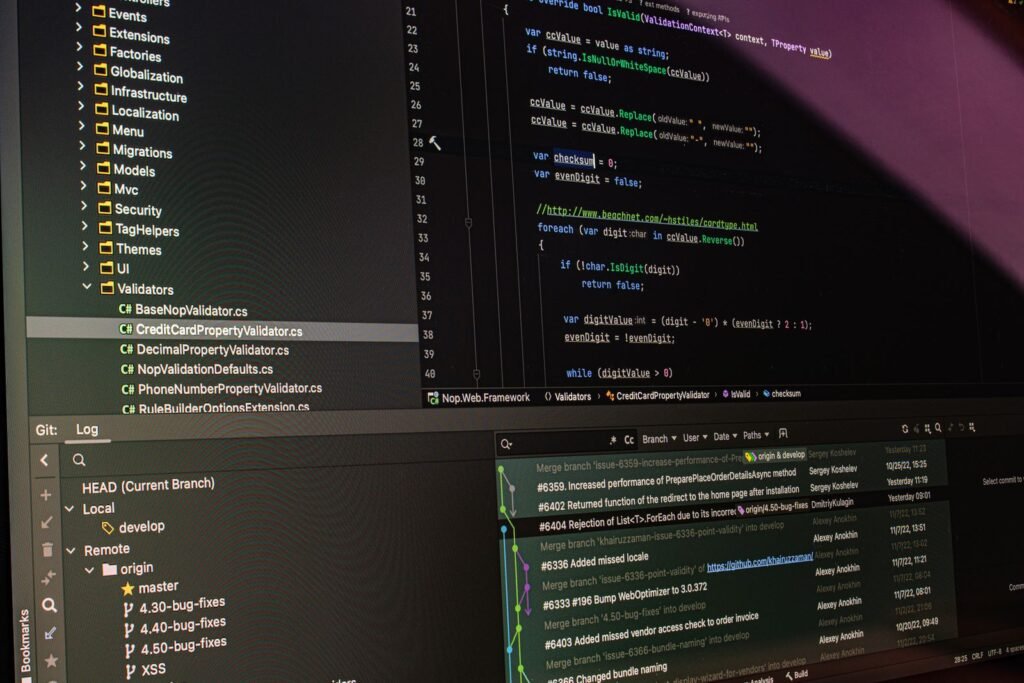
A WordPress plugin is just JavaScript and PHP talking to each other through a documented set of hooks — and

Website maintenance in Nigeria typically costs ₦15,000 to ₦40,000 a month for a small business site on a basic care

Web design agencies in Lagos typically charge ₦300,000 to ₦900,000 for a small business site and ₦1,200,000 to ₦3,500,000+ for

Custom WordPress theme development in 2026 starts with a block theme built on theme.json and HTML block templates, not a
The WordPress REST API lets any application read and write WordPress content over HTTP as JSON, using endpoints like /wp-json/wp/v2/posts