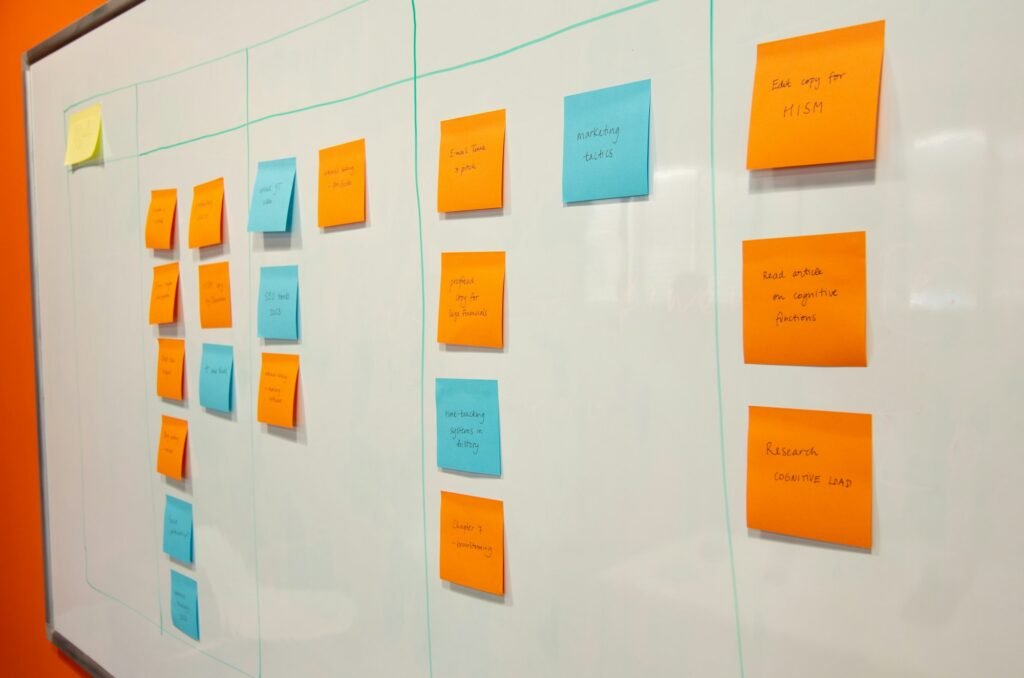
This is a documented content and AI-search strategy: what to publish, in what order, and structured so that both traditional search engines and AI answer engines like ChatGPT, Gemini, and Perplexity can find and cite it. The deliverable is a working plan — site architecture, topic clusters, schema, and an editorial calendar — not a slide deck of generic best practices.
Who This Is For
- Businesses or blogs with content already published but no clear architecture connecting it — posts that don’t interlink, and no defined pillar pages for them to support
- Sites that want to start showing up in AI-generated answers (ChatGPT, Gemini, Perplexity, Google AI Overviews) and need a plan for getting cited, not just more blog posts
- Teams that need a competitive positioning analysis before committing to a content direction, so the plan is based on actual gaps rather than guesswork
- Discovery call. A free 20-minute call to understand your business, existing content, and what “more traffic” actually needs to translate into for you.
- Content & competitive audit. A review of what’s published, what’s missing, and where competitors are winning visibility — including AI-search visibility, not just traditional rankings.
- Strategy document. A written plan covering architecture, topic clusters, schema priorities, and a realistic editorial calendar.
- Implementation support. Either handed off for your team to execute, or implemented directly if you want the writing and publishing done as part of the engagement.
What’s Included
| Service area | What it covers |
|---|---|
| Site architecture & topic clusters | Mapping content into pillar pages and supporting clusters so internal linking compounds authority instead of scattering it |
| Schema markup planning | Identifying which structured data (FAQ, Article, Organization) actually helps your content get pulled into AI answers and rich results |
| Editorial calendars | A realistic publishing schedule tied to keyword priority, not an arbitrary number of posts per week |
| Competitive positioning | A gap analysis showing what competitors rank for or get cited for that you currently don’t |
How the Work Actually Happens
A Strategy Already Running on This Site
The architecture recommended here is the same one running this site: a dual-market pillar-and-cluster structure, AEO-specific content like what AEO actually is and generative engine optimization, and a content calendar that tracks publishing mix against actual traffic data rather than a fixed schedule. It’s a documented, running system, not a one-off plan handed over and left untested.
What is AEO and why does my content strategy need it?
AEO, Answer Engine Optimization, is the practice of structuring content so AI systems like ChatGPT and Google AI Overviews can extract and cite it directly. As more searches get answered inside AI tools rather than through a list of blue links, a content strategy that ignores AEO is optimizing for a shrinking share of search traffic.
Do I need a content strategy if I already publish regularly?
Regular publishing without an architecture connecting the posts is one of the most common reasons content doesn’t compound into rankings. A strategy engagement often finds that the fix is restructuring and interlinking existing content, not just producing more of it.
Will you write the content too, or just plan it?
Both options are available. Some clients want the strategy document to hand to their own writers; others want the plan and the ongoing content production handled together as one engagement.