Nigeria’s fashion market is projected to grow from roughly $1.31 billion toward $1.92 billion by 2027, expanding at close to 10% a year. The US apparel market, by contrast, is a $365.7 billion industry on its own. That gap is precisely the opportunity: a growing base of Nigerian designers and brands, and a US market large enough to absorb far more of what they make — if the brand can actually be found there. That’s a search problem before it’s a shipping problem, and it’s where Nigerian fashion brand SEO for the US market has to start.
Two different SEO jobs, not one
“SEO for a Nigerian fashion brand” and “SEO to rank in US search results” are not the same task. A site can rank well for Nigerian buyers searching in naira, in Lagos time, on Nigerian mobile networks, and still be functionally invisible to a shopper in Atlanta searching for “African print midi dress.” Winning both means treating the US market as a distinct target, not a side effect of ranking well at home.
READ ALSO:
What US Analytics Data Reveals About a Nigerian-Run Blog’s Audience
The technical must-haves for cross-border trust
Search engines increasingly reward pages that remove friction for the visitor they’re serving, and cross-border apparel shoppers abandon carts over specific, fixable gaps:
- Currency display. Prices shown in USD by default for US-geolocated visitors, not just a naira price with a mental-math tax attached.
- US sizing conversions. A size guide that maps Nigerian/UK sizing to US sizing directly on the product page, not buried in an FAQ.
- Shipping and duty transparency. Landed cost — shipping plus any import duty — shown before checkout. Surprise costs at checkout are one of the single biggest cross-border cart-abandonment triggers, and Google’s shopping and merchant systems increasingly penalize listings that hide them.
- Page speed on US connections. Image-heavy fashion catalogs need to be just as fast for a US visitor on a fast connection as for a Nigerian one on a slower one — compressed, properly sized product imagery matters twice over here.
Two keyword layers, not one list
Keyword strategy for this audience splits into two distinct intents that need separate pages, not one page trying to catch both:
- Diaspora-intent terms — searches from Nigerian-Americans looking specifically for home, like “Ankara dress shipped to USA” or “buy Nigerian fashion online US.” These searchers already know what they want; the page’s job is proving you ship reliably and fast.
- Discovery-intent terms — broader searches like “African print midi dress” or “handmade wax print blazer,” where the searcher has never heard of the brand and needs the craftsmanship story, not just the product spec, to convert.
Building separate landing pages for each intent, rather than one generic collection page, lets each rank for what it’s actually answering.
Structured data does the trust-building search can’t
Product schema markup (price, availability, review rating) lets US search results show stars and stock status before the click, which matters enormously for a brand a US shopper has never heard of. Pairing this with a Google Merchant Center feed and genuine customer review markup gives an unfamiliar Nigerian brand the same visible trust signals as an established US retailer, at the point of search rather than only after the click.
Heritage as the differentiator, not an afterthought
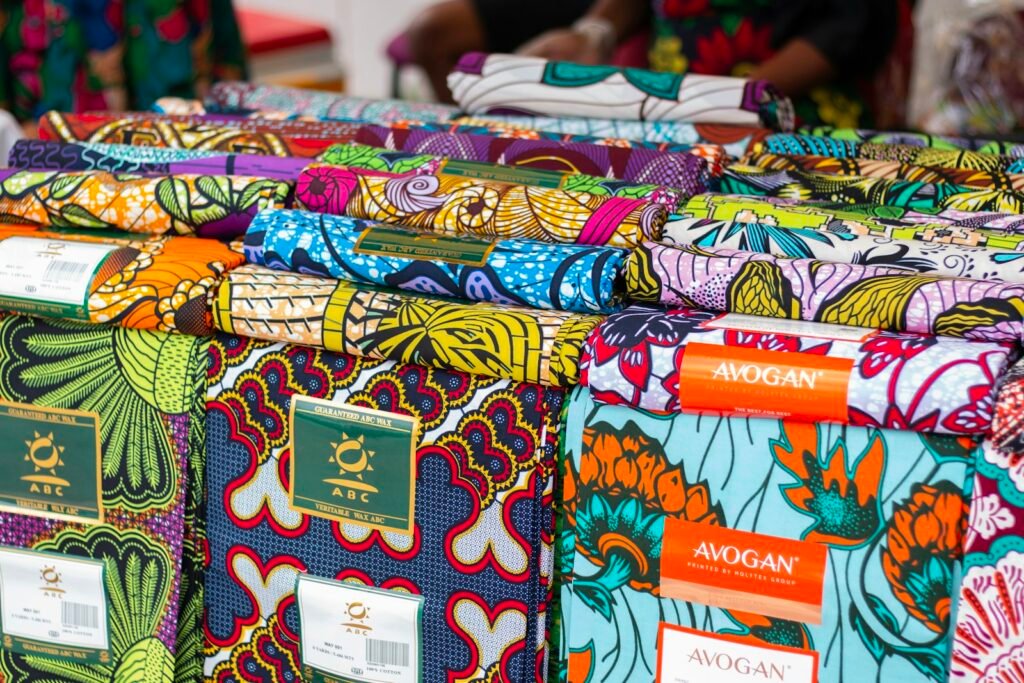
Fast fashion can’t replicate hand-cut Ankara, Kente-inspired weaves, or bespoke tailoring — and that story, told well in on-page content, blog posts, and product descriptions, is what turns a discovery-intent search into a sale. Content built around the sourcing, the artisans, and the craft process gives US search engines exactly the kind of specific, original detail that thin product-only pages can’t compete with, while giving the shopper the reason to pay a premium over a mass-market alternative.
The takeaway
Ranking in Nigeria and ranking in the US both take real SEO work — but they’re different pieces of work, aimed at different intents, with different trust signals to build. Brands that treat the US market as its own strategy, not a byproduct of the Nigerian one, are the ones actually positioned to capture the growth on both sides of that market gap.