The US
market for ethnic food was worth an estimated $33.7 billion in 2025 and is projected to keep growing at roughly 7.4% a year through the next decade — and African cuisine and grocery products sit inside one of the fastest-expanding slices of that category, driven by both the diaspora community buying what they grew up on and a broader American audience actively seeking out global flavors. Almost none of that demand is being captured through search by the restaurants and grocery stores actually serving it, because most are relying entirely on word of mouth and a bare-bones Google Business Profile.
Why This Market Is Genuinely Underserved Online
Walk into most African restaurants or grocery stores across the US and you’ll find real quality and real community trust — and almost no discoverable web presence beyond a Google Business listing with a few photos. That gap is the opportunity: the businesses that actually invest in even basic SEO in this category face far less competition than a US pizza chain or a nail salon would, because most competitors in the space simply haven’t shown up online yet.
What People Actually Search For
- Cuisine and dish-specific: “jollof rice near me,” “suya restaurant [city],” “best egusi soup [city],” “Nigerian restaurant delivery”
- Grocery and ingredient-specific: “African grocery store near me,” “where to buy palm oil,” “fufu flour near me,” “where to buy plantain [city]”
- Occasion-driven: “African catering for events,” “Nigerian party jollof catering,” “halal African restaurant”
- Comparison and discovery: “best African restaurant in [city],” “authentic Nigerian food near me”

The pattern worth noticing: dish names carry real, specific search volume of their own. Someone who doesn’t know what a “Nigerian restaurant” even means will still type “jollof rice near me” if they’ve heard about it from a coworker or seen it on social media — and a restaurant that never mentions its actual dish names anywhere on its website is invisible to that entire segment of search.
The Google Business Profile Basics That Get Skipped
A large share of African restaurants and grocery stores in the US have an unclaimed or barely-filled-out Google Business Profile — no menu items listed by name, no dish photos, inconsistent hours, and category selection stuck on generic “restaurant” instead of more specific options like “African restaurant” or “West African restaurant.” Filling this out completely, with actual dish names in the menu section and photos of the food (not just the storefront), is close to the single highest-leverage move available, because it directly feeds both Google Maps rankings and the dish-specific searches above.
Content That Actually Converts This Audience
Diaspora customers searching for African food are usually looking for authenticity signals — who’s actually cooking it, whether the ingredients are the real thing, whether other Nigerians/Ghanaians/etc. vouch for it. A non-diaspora American customer searching the same terms is usually looking for an approachable explanation of what a dish is and reassurance it’s not intimidating to order. Good content serves both audiences without talking down to either.
A short “what is jollof rice” or “what is egusi soup” page, written simply and paired with a real photo, does double duty: it ranks for informational searches from curious non-Nigerian diners and reassures diaspora customers that the business understands what it’s serving. Reviews matter more here than almost any other restaurant category, since trust and authenticity are the actual purchase driver — actively asking satisfied regulars (not just first-time visitors) for reviews compounds over time.
Local SEO Fundamentals That Apply Doubly Here
- Consistent name, address, and phone number across the website, Google Business Profile, Yelp, and any food delivery platform listings
- Location pages for each city or neighborhood served, if the business has multiple locations or delivers across a wide area
- Structured data (LocalBusiness and Menu schema) so search engines and AI assistants can parse hours, cuisine type, and dishes directly
- Photos that are genuinely the business’s own food, not generic stock images — both for trust and because Google increasingly favors profiles with authentic, recent photos
Frequently Asked Questions
Is it worth optimizing for individual dish names like “jollof rice” instead of just “African restaurant”?
Yes, often more so. Dish-specific searches carry real volume from people who don’t necessarily know or search for “African restaurant” as a category, and competition for those specific terms is typically much lower than for generic restaurant category terms.
How big is the actual US market for African food specifically?
It sits inside the broader US ethnic food market, valued at roughly $33.7 billion in 2025 and growing at close to 7.4% annually — African cuisine is one of the categories driving that growth alongside rising diaspora populations and mainstream culinary interest.
What matters more for African restaurants: reviews or a website?
Both work together, but reviews carry outsized weight for this category specifically, since authenticity and community trust are the primary purchase driver; a complete Google Business Profile with strong reviews often outperforms an elaborate website with few reviews.Want more strategies for reaching diaspora and multicultural audiences?
Explore more SEO Fundamentals articles.
Related Reading
Post Views: 130
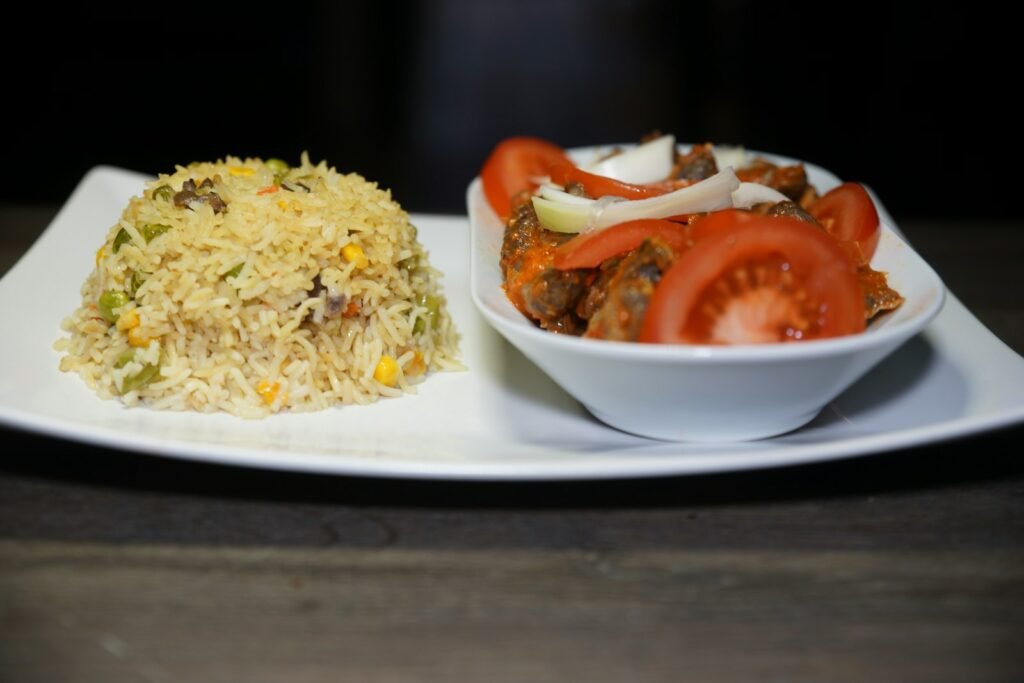
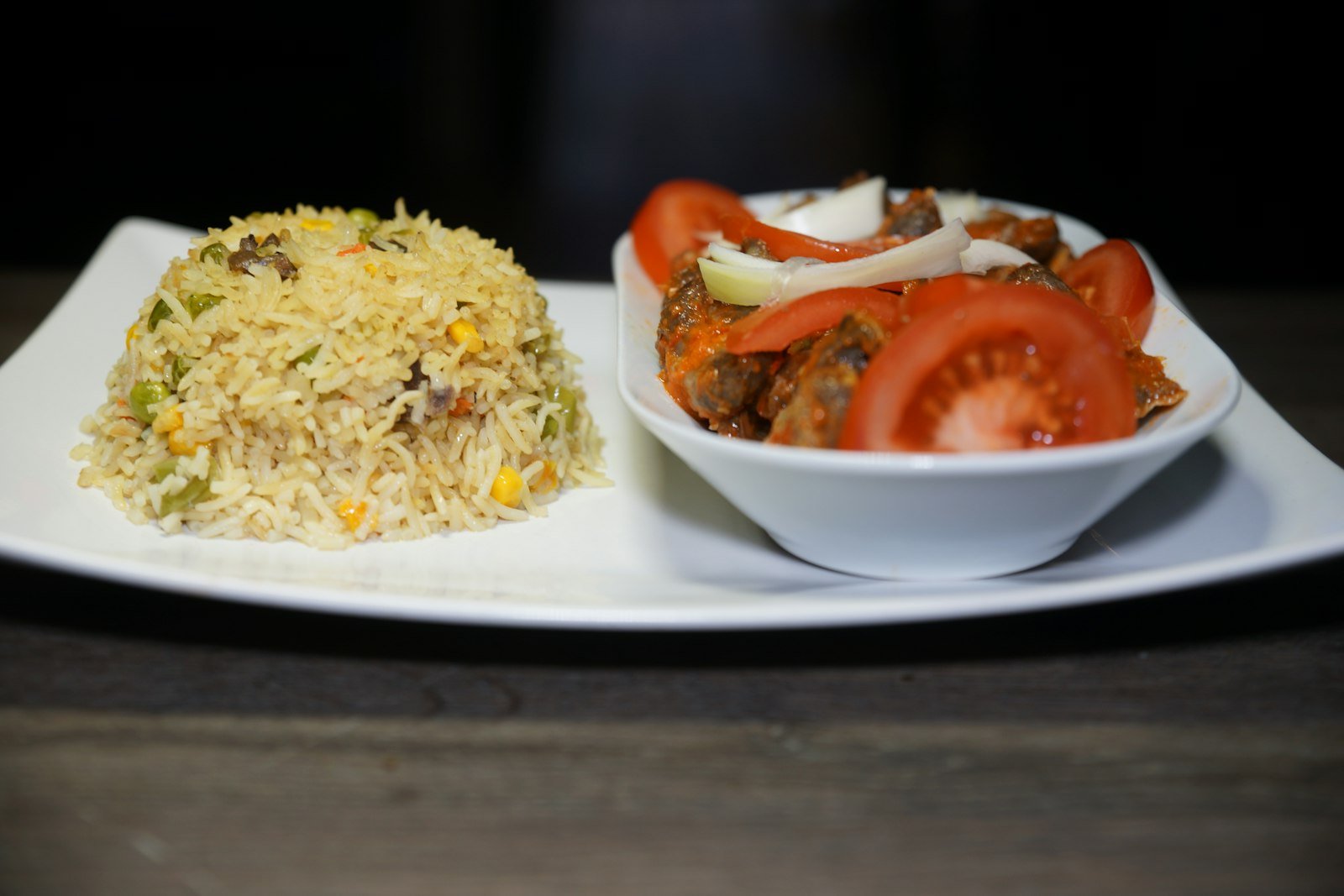 The pattern worth noticing: dish names carry real, specific search volume of their own. Someone who doesn’t know what a “Nigerian restaurant” even means will still type “jollof rice near me” if they’ve heard about it from a coworker or seen it on social media — and a restaurant that never mentions its actual dish names anywhere on its website is invisible to that entire segment of search.